Making workplace AI genuinely useful.
Overview
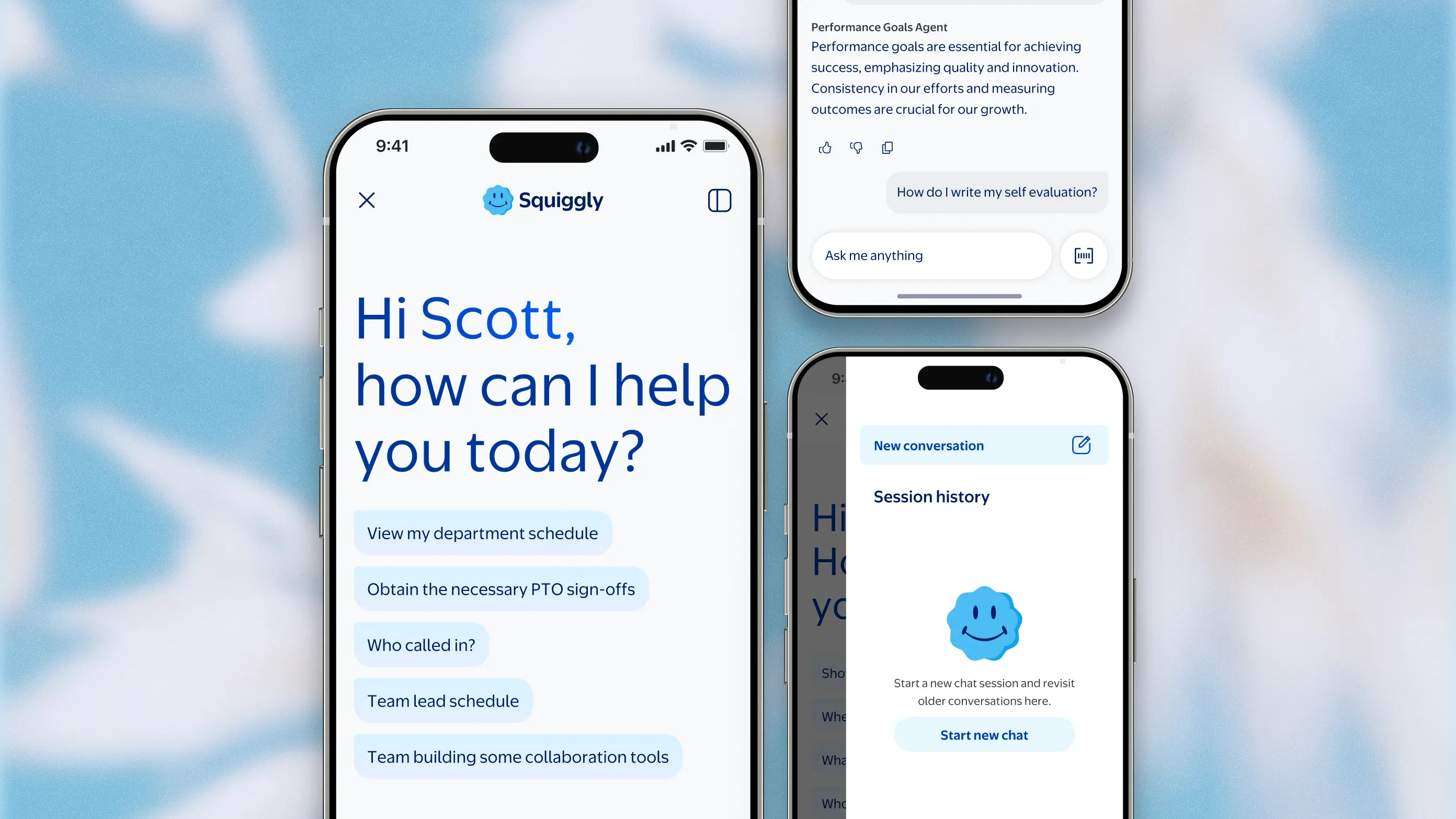
Squiggly is Walmart’s AI-powered assistant designed to help associates find information, navigate tools, and take action across the workplace ecosystem.
As the experience expanded across multiple products and teams, I worked on defining how AI should show up across the ecosystem, not as another standalone tool, but as a connected layer that could scale across Walmart.
Problem
AI was growing faster than the experience around it.
Walmart already had a design system and multiple AI experiences in production. But as capabilities evolved across teams, the experience risked becoming fragmented.
The challenge was to create a shared model for AI that could scale while staying consistent, intuitive, and trusted.
AI that works both ways
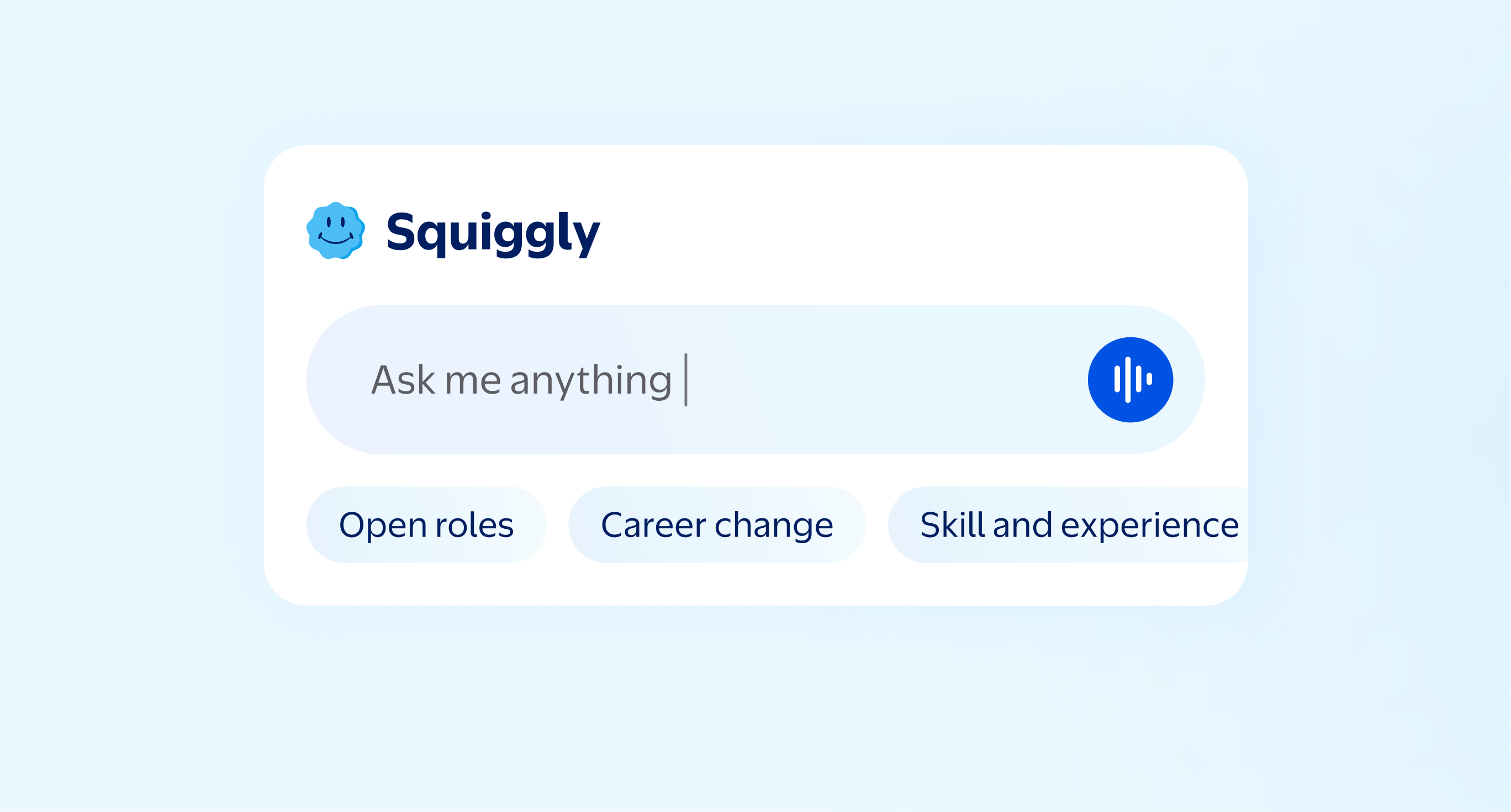
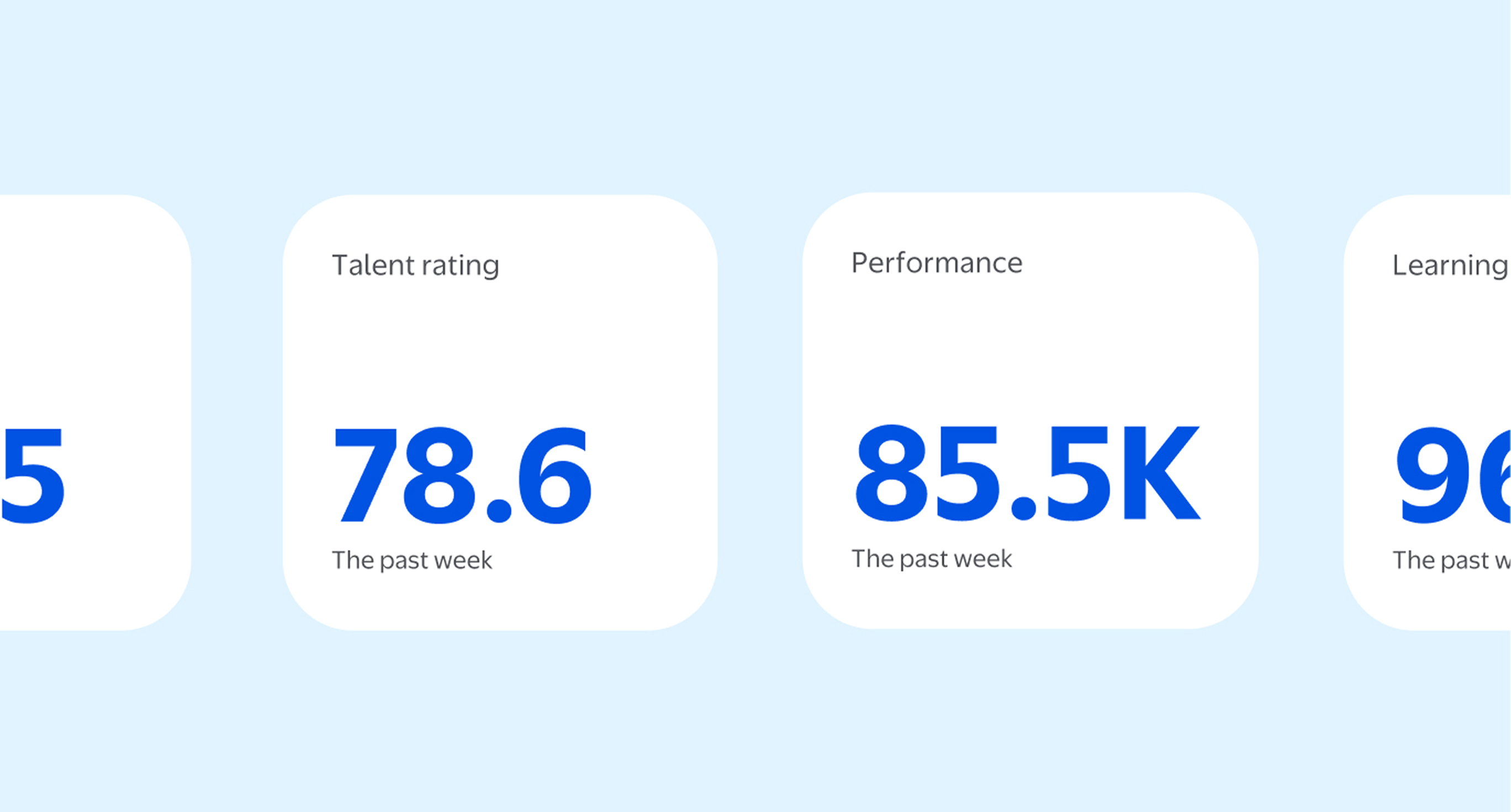
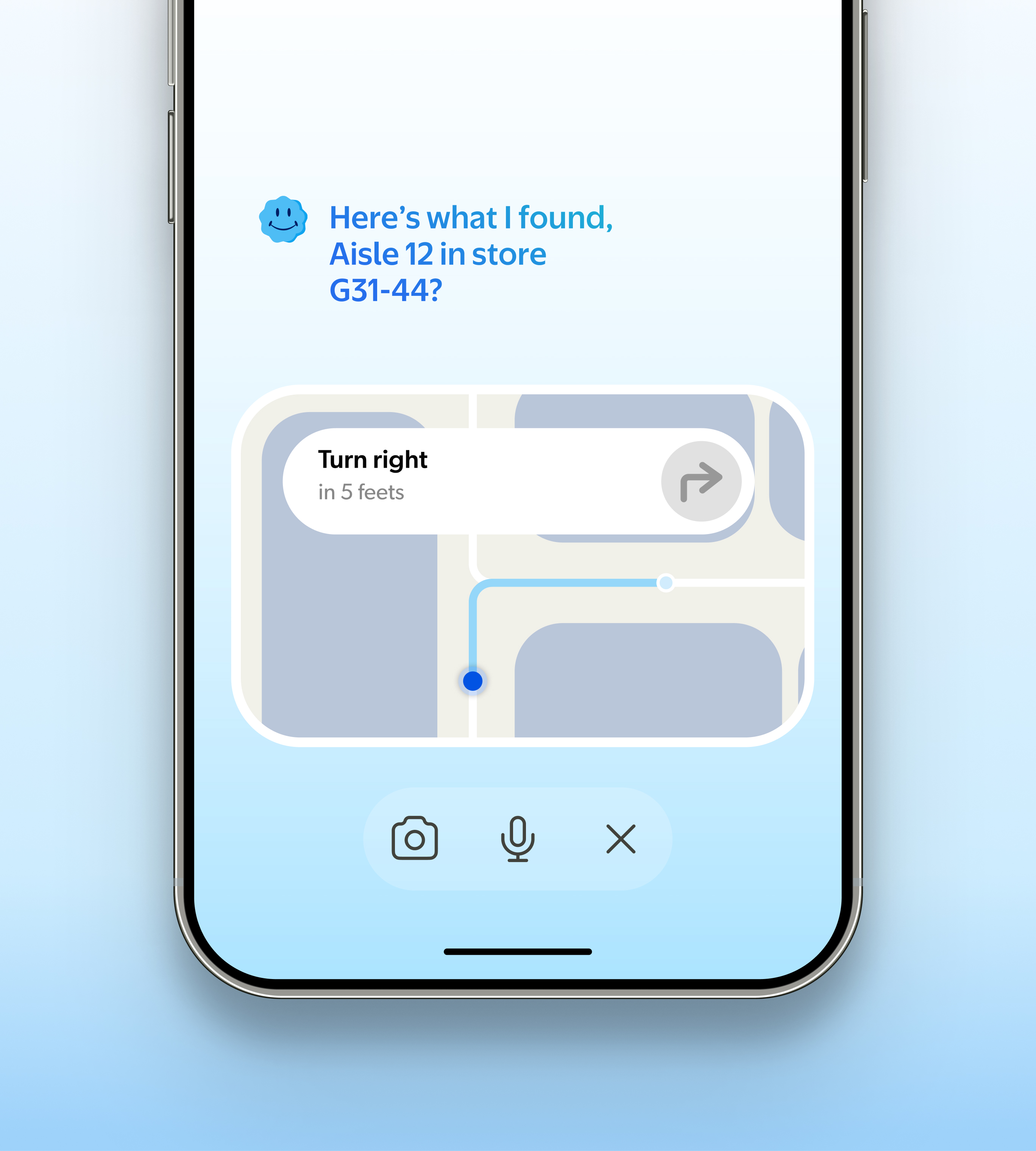
Squiggly connects users to mini-apps, while also appearing contextually within them. This creates a consistent experience no matter where users begin.
By designing for both directions, we avoided dead ends and kept AI connected across the ecosystem.
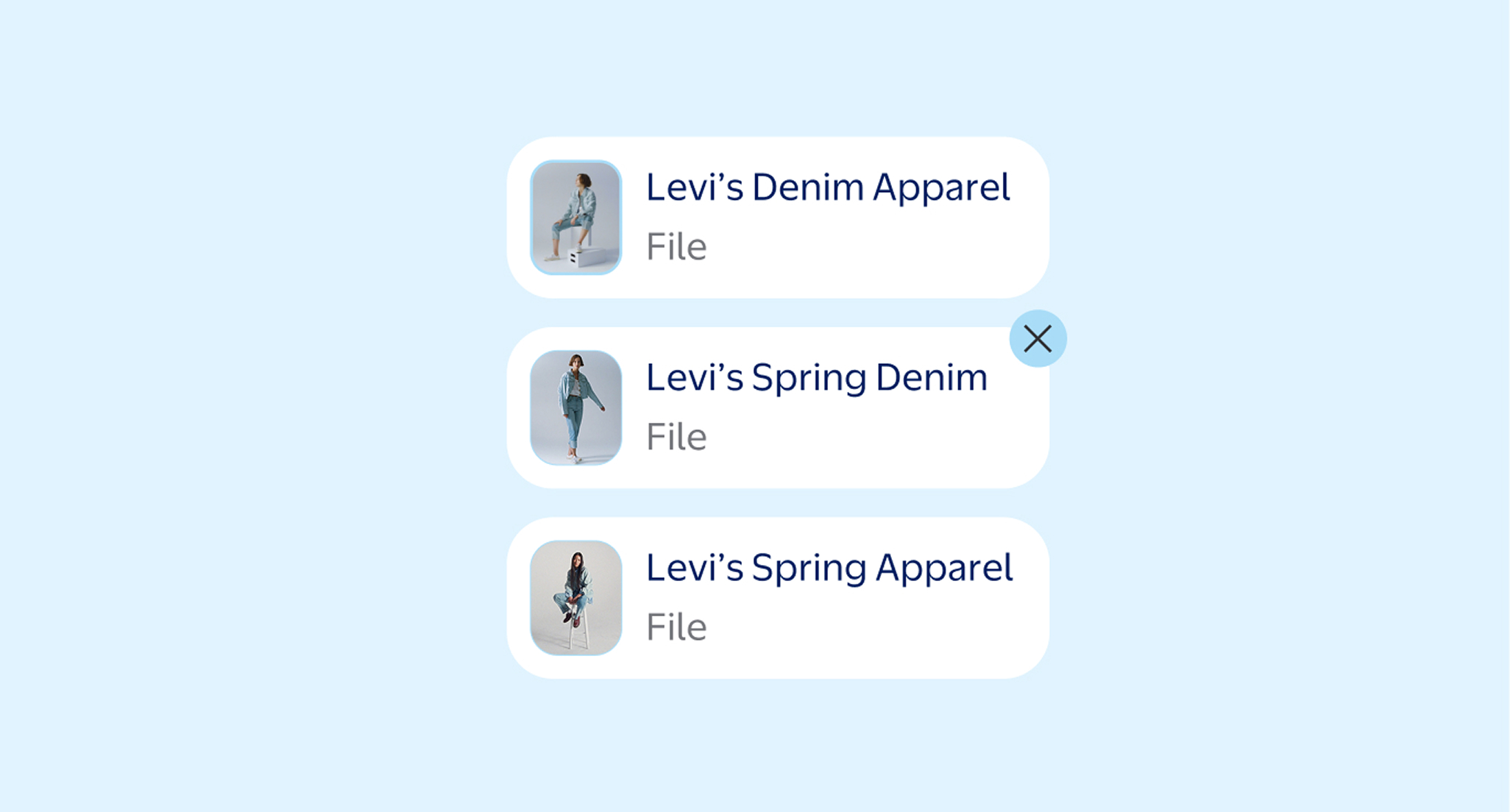
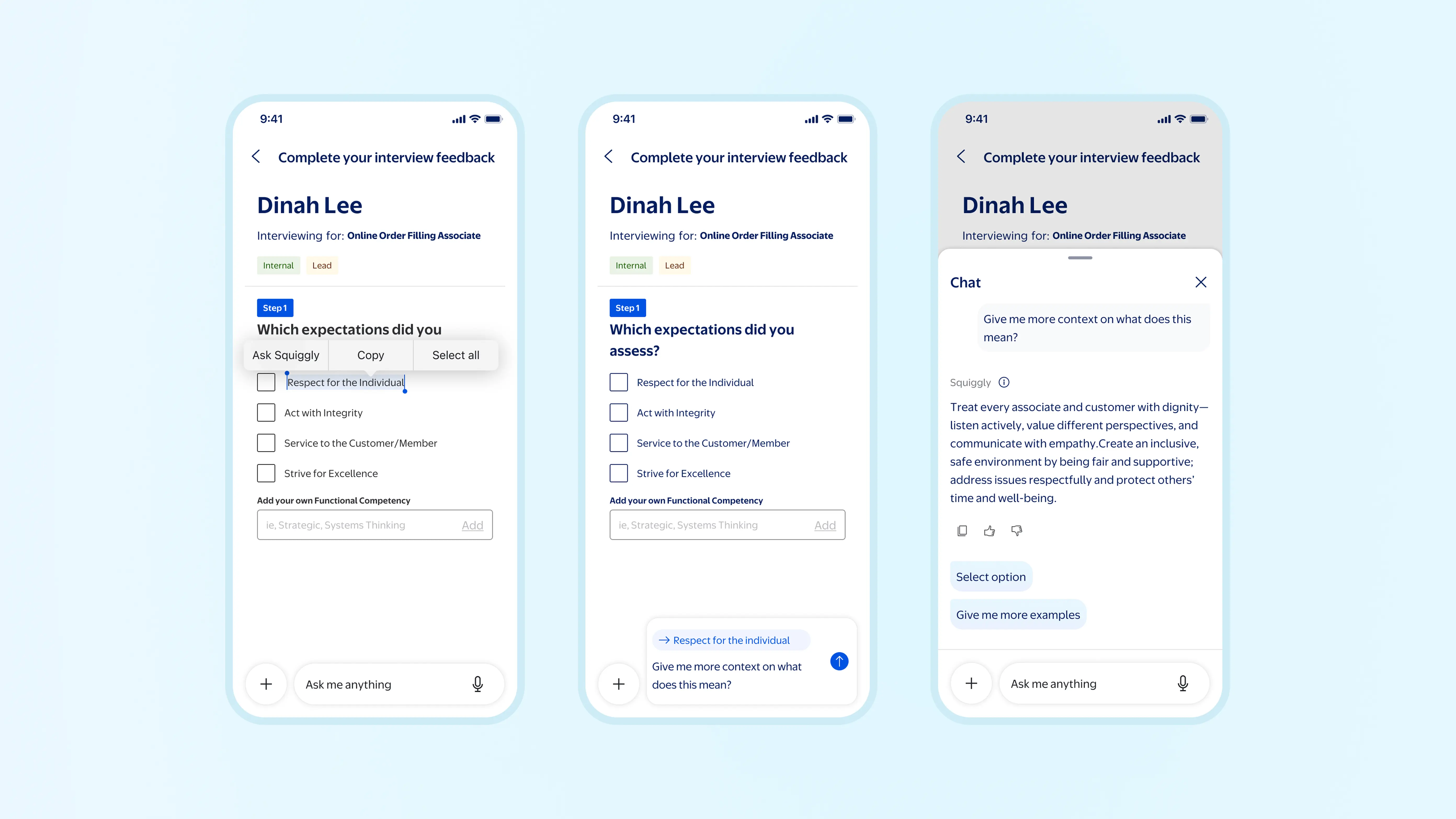
Ask Squiggly about anything on screen
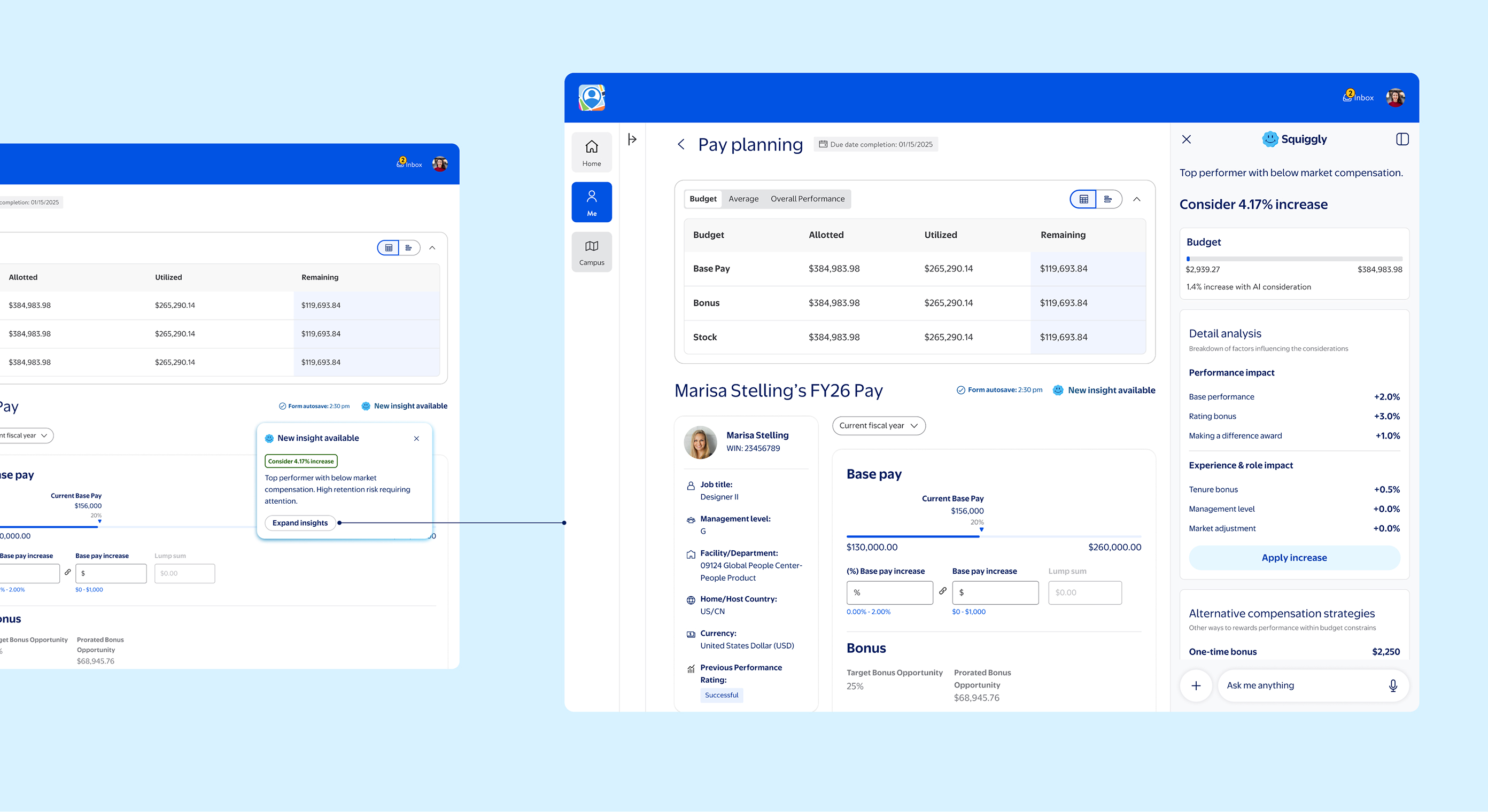
Users can highlight anything within a mini-app and ask Squiggly for help without leaving their workflow.
Squiggly carries the selected context into the conversation, providing relevant answers while keeping users connected to the task at hand.
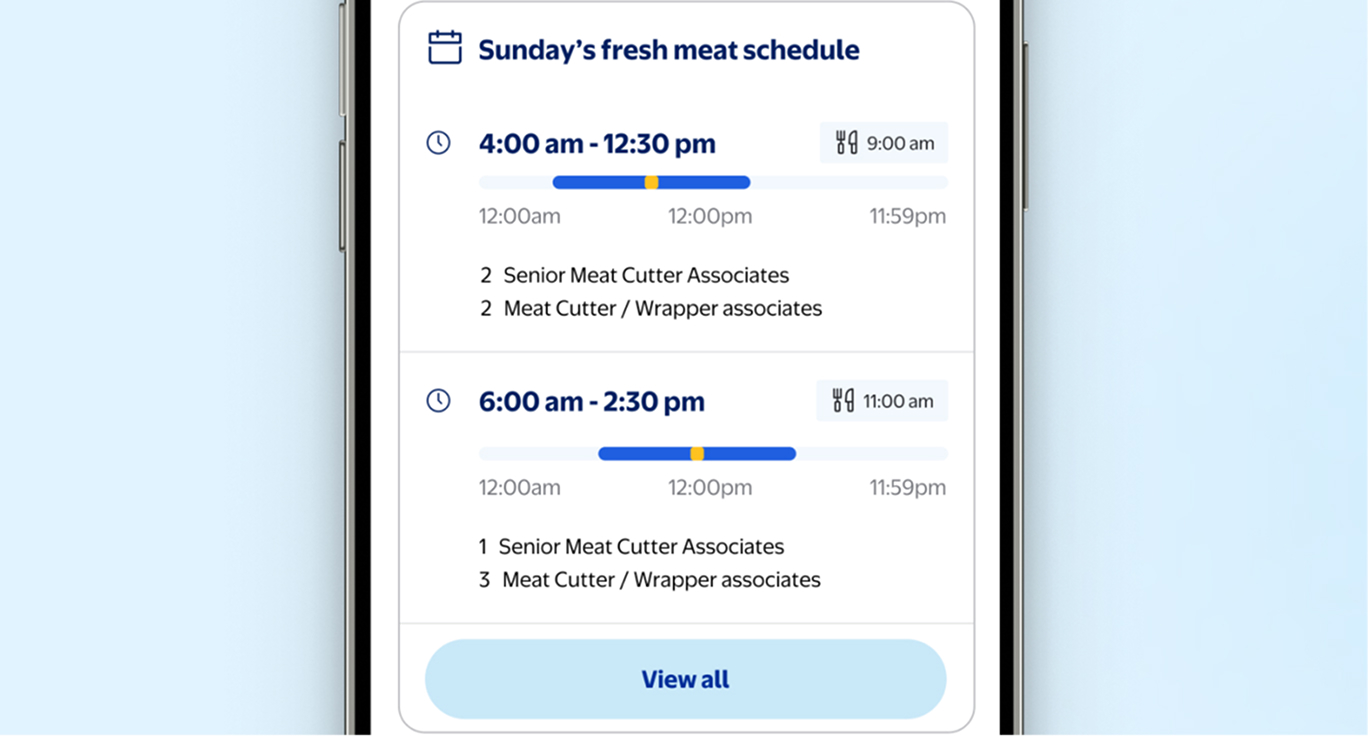
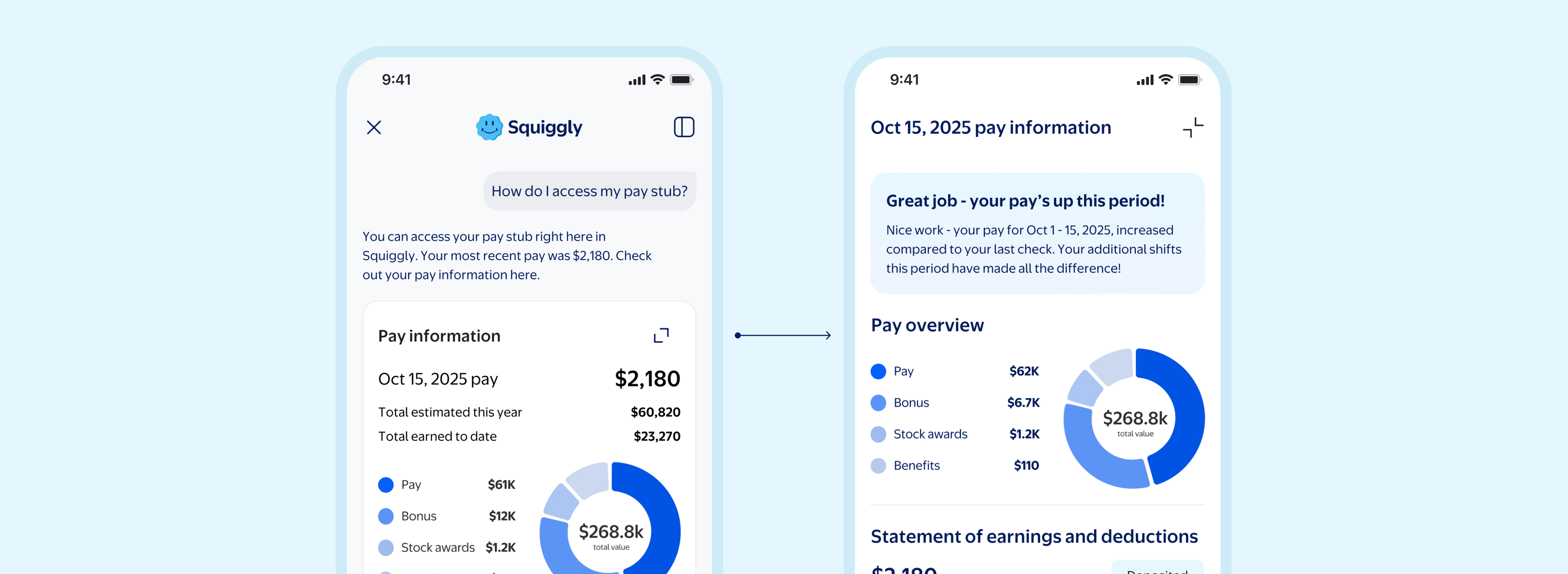
Squiggly surfaces only what’s relevant
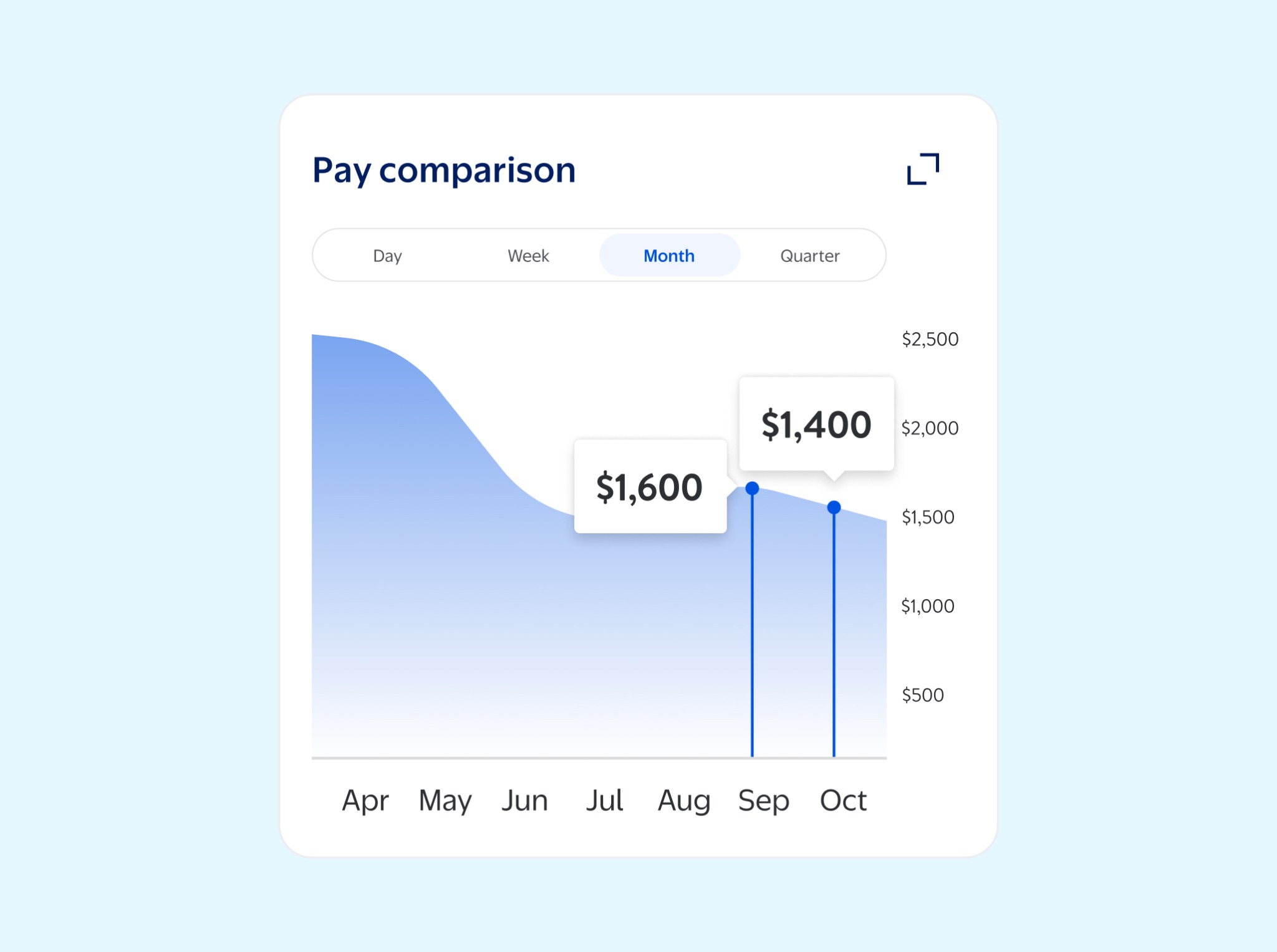
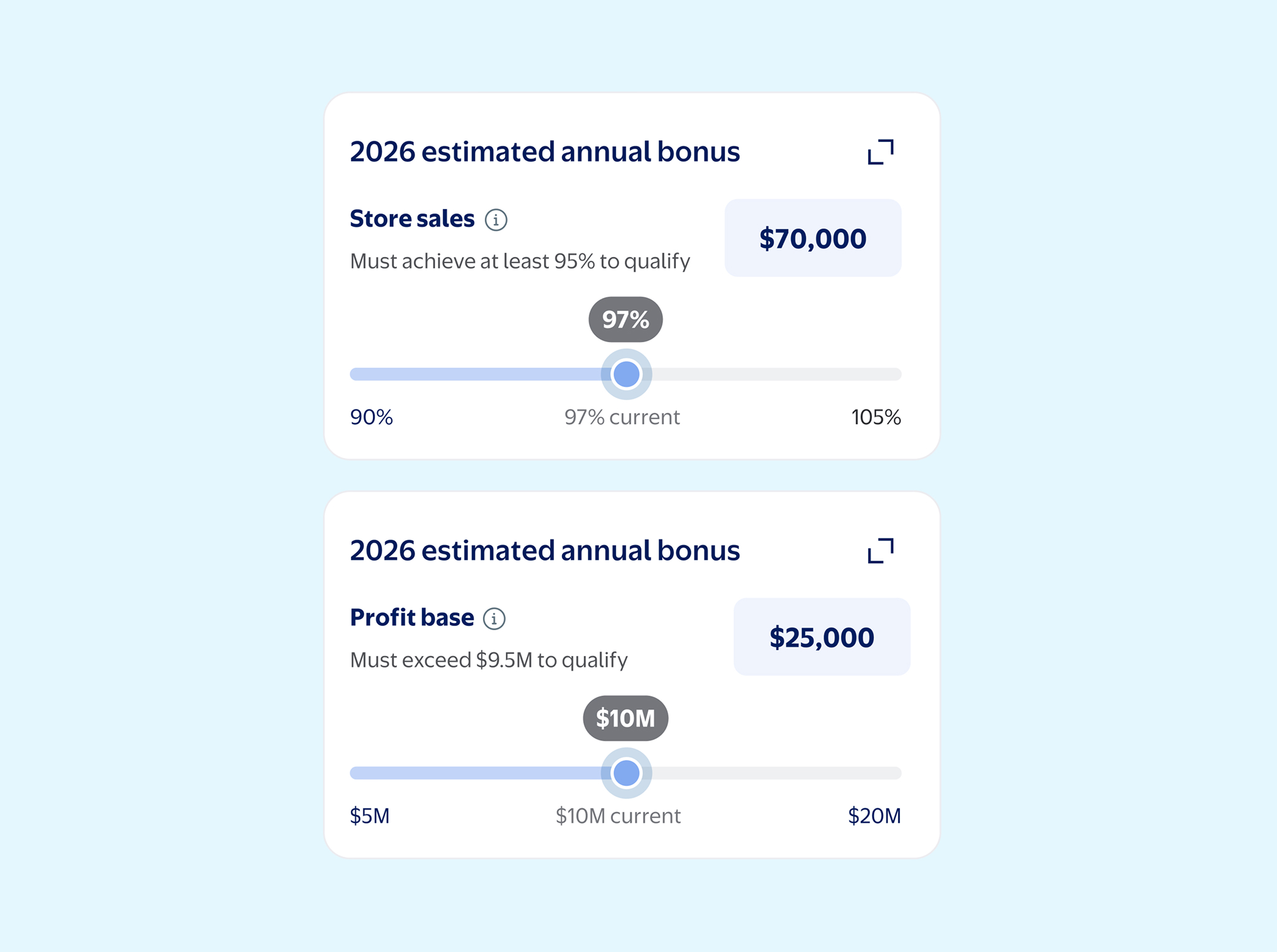
Instead of simply returning data, Squiggly understands the user’s intent and surfaces the right insight at the right moment without unnecessary information.
This makes the intelligence feel purposeful, contextual, and easier to trust.
Designing AI where the work actually happens
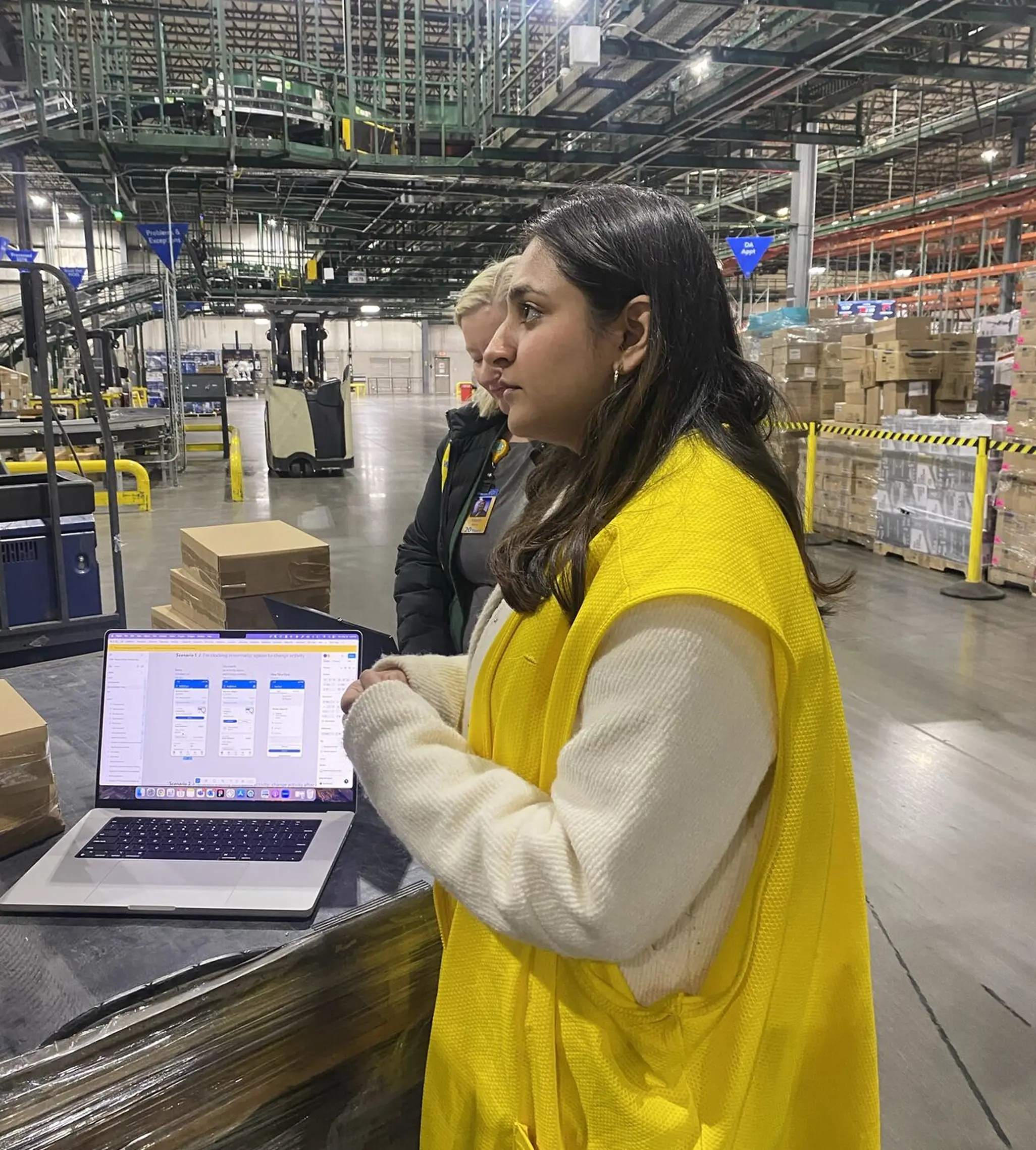
We took Squiggly into stores and distribution centers to understand how associates work beyond the screen. Seeing their workflows firsthand helped us design AI around real needs, constraints, and moments where assistance could actually help.